Introduction & Background
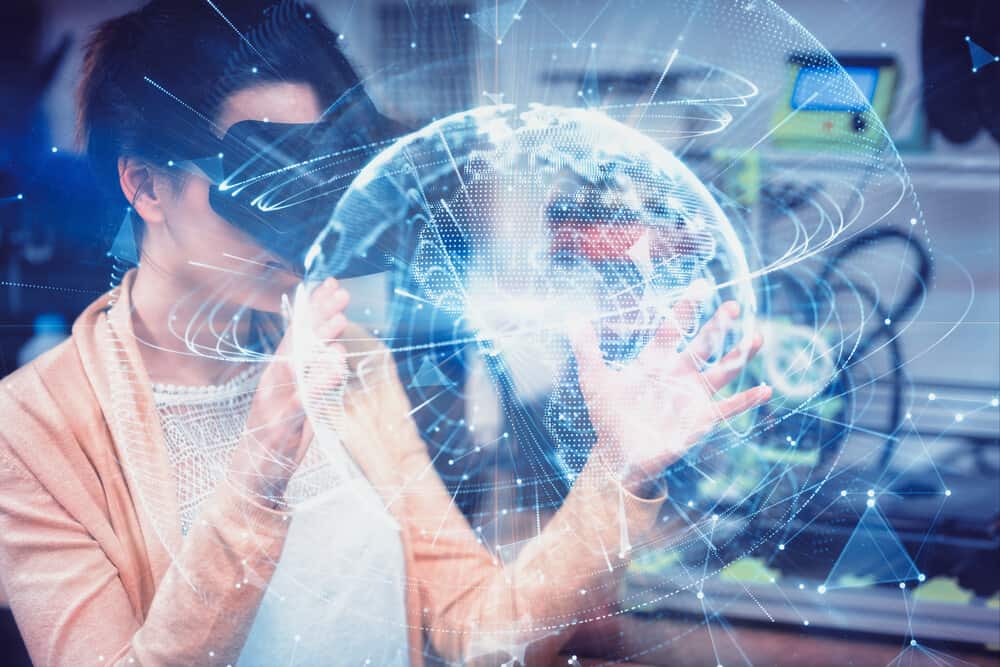
Artificial intelligence has quietly stepped into the spotlight as a silent collaborator in creative fields, reshaping how masterpieces are crafted. From the earliest algorithms that mimicked simple brush strokes to today’s sophisticated models generating entire symphonies and novels, machines have evolved from tools to co-creators. What began as experimental software has blossomed into a movement where art and technology intertwine, challenging traditional notions of authorship and inspiration. The significance of this transformation lies not only in the novelty of AI-generated works but in the broader implications for artists, industries, and audiences alike. As machines learn to interpret human emotions and aesthetic principles, they are beginning to offer fresh perspectives that push the boundaries of what art can be. This evolution raises profound questions about creativity itself, prompting us to reconsider who, or what, can truly be called an artist.
Concept & Overview
At the heart of this revolution is the idea of AI as a “secret muse,” an invisible force that fuels imagination without imposing its own agenda. Unlike traditional tools that require direct human input at every step, modern AI systems leverage vast datasets and pattern recognition to generate original content autonomously. These systems operate on neural networks trained on millions of artworks, musical compositions, and literary works, allowing them to identify subtle stylistic cues and thematic elements. The process begins with data ingestion, where machines analyze existing creations to learn structure, color palettes, narrative arcs, or melodic patterns. From there, they synthesize new combinations, often producing outputs that surprise even their creators. This concept challenges the notion that creativity is exclusively a human domain, suggesting instead that inspiration can emerge from the interplay between human intention and machine intelligence. By acting as a collaborative partner, AI does not replace the artist but amplifies their creative potential, offering unexpected directions and solutions.
Key Features & Highlights
- Autonomous Generation: AI systems can produce original artworks, music, and literature with minimal human guidance, sometimes generating multiple variations in seconds. This speed and scalability allow artists to explore ideas rapidly and refine their vision.
- Style Transfer & Adaptation: Machines excel at replicating and blending artistic styles from different eras or cultures. Tools like neural style transfer enable users to apply Van Gogh’s brushwork to a modern photograph or compose a piece reminiscent of Bach in seconds.
- Emotional Intelligence: Advanced AI models analyze emotional cues in text, facial expressions, or tonal patterns to generate responses that resonate on a human level. This allows for personalized art and music tailored to individual moods or experiences.
- Collaborative Platforms: Interactive AI platforms invite users to co-create with machines in real time. Artists can sketch ideas, receive AI suggestions, and iteratively refine their work, fostering a dynamic dialogue between human and machine.
- Accessibility & Inclusivity: AI lowers the barrier to creative expression by enabling individuals with limited technical skills to produce sophisticated art. This democratization of creativity empowers a wider range of voices to share their perspectives and stories.
Frequently Asked Questions / Pros & Cons
What exactly is AI-generated art, and how does it differ from traditional art?
AI-generated art refers to visual, auditory, or textual works created with the assistance of artificial intelligence algorithms. Unlike traditional art, which is produced entirely by human hands and minds, AI art relies on computational models trained on existing data. The primary difference lies in the source of inspiration and execution. While traditional artists draw from personal experience and manual skill, AI systems synthesize patterns from data, often producing results that reflect a blend of learned styles rather than a single artist’s unique voice.
Can AI art be considered truly original?
Originality in AI-generated art is a subject of debate. Technically, the outputs are new combinations of learned patterns, but they are not created with conscious intent in the way humans experience it. Some argue that originality stems from the machine’s ability to generate unique arrangements, while others maintain that true originality requires intentionality and emotional context, which machines currently lack. The consensus leans toward viewing AI art as a form of creative collaboration rather than standalone originality.
Does AI threaten the livelihood of human artists?
AI presents both challenges and opportunities for human artists. On one hand, AI tools can produce art quickly and at low cost, potentially reducing demand for certain types of commercial work. On the other, many artists are embracing AI as a supplementary tool to enhance their creativity, streamline repetitive tasks, or explore new styles. The key difference lies in intention and context. While AI excels at generating variations, human artists bring depth, narrative, and emotional resonance that machines have not yet replicated. The relationship is evolving, with many predicting a future where AI and human artists coexist and complement each other.
What are the ethical concerns surrounding AI-generated masterpieces?
Ethical concerns center on issues of authorship, copyright, and cultural appropriation. Since AI systems are trained on vast datasets that may include copyrighted or culturally sensitive material, questions arise about who owns the resulting works and whether the original creators of the training data are fairly compensated. Additionally, there is a risk of reinforcing biases present in the training data, leading to art that perpetuates stereotypes or misrepresents certain groups. Transparency in data sourcing, fair compensation models, and clear guidelines for attribution are critical to addressing these challenges.
Practical Guidance & Solutions
For artists and creators looking to integrate AI into their workflow, adopting a balanced and mindful approach is essential. Start by experimenting with AI tools designed for specific creative tasks, such as image generation, music composition, or text writing. Platforms like DALL-E, MidJourney, and Stable Diffusion offer accessible entry points for visual creation, while tools like Amper Music and AIVA assist in composing original scores. When using these platforms, carefully review the terms of service regarding data usage and ownership to ensure compliance with copyright laws.
To maintain artistic integrity, consider AI as a muse rather than a replacement. Use AI-generated drafts as inspirational starting points, then refine and personalize them through human touch. This hybrid approach preserves the emotional depth and intentionality that define human artistry. Additionally, advocate for transparency in AI training data by supporting platforms that disclose their sources and offer opt-out options for artists who wish to exclude their work from training datasets.
For educators and institutions, integrating AI literacy into creative curricula can prepare the next generation of artists for a collaborative future. Encourage critical thinking about the implications of AI in art, fostering discussions on ethics, originality, and the evolving role of technology in culture. By staying informed and proactive, creators can harness AI’s potential while safeguarding the values of authenticity and artistic expression.
Conclusion
The rise of AI as a secret muse marks a pivotal moment in the evolution of creativity. Machines are no longer mere tools but active participants in the artistic process, offering new perspectives and expanding the horizons of imagination. While challenges such as ethical concerns and the preservation of human intent remain, the potential for innovation and democratization is undeniable. The future of art lies not in a battle between human and machine but in a harmonious collaboration that redefines what it means to create. As we move forward, embracing this partnership with curiosity and responsibility will allow us to craft tomorrow’s masterpieces together, each brush stroke, note, and word a testament to the limitless possibilities of human and artificial creativity. In this new era, inspiration knows no bounds, and the canvas of the future is ours to paint, pixel by pixel, in concert with our silent yet powerful muse.