Introduction & Background
In an era marked by rapid climate change, resource depletion, and growing social inequality, the traditional corporate model faces mounting pressure to evolve. Stakeholders from investors to consumers are demanding that businesses do more than just generate profits. They now expect corporations to play a proactive role in safeguarding the planet while delivering sustainable value. The modern corporation must therefore become “future-proof”, a term that encapsulates resilience, adaptability, and long-term viability in the face of environmental and social challenges. This shift is not merely ethical but strategic, as sustainability has increasingly become a driver of innovation, efficiency, and market leadership. Companies that embrace this transformation early will not only mitigate risks but also unlock new opportunities for growth and differentiation. The journey toward sustainability is no longer optional for corporations; it is a critical imperative for survival and success in the 21st century.
Concept & Overview
The future-proof corporation represents a paradigm shift in how businesses operate. It goes beyond traditional profit motives to integrate sustainability as a core component of its strategy, operations, and culture. At its heart, this model emphasizes the triple bottom line: people, planet, and profit. Unlike conventional corporations that prioritize short-term financial gains, future-proof corporations adopt a holistic approach that balances economic performance with environmental stewardship and social responsibility. This transformation is fueled by a growing awareness that unchecked consumption and environmental degradation pose existential threats to business continuity. By aligning profit with purpose, these corporations create shared value for shareholders, employees, communities, and the planet. Technology, innovation, and stakeholder collaboration serve as key enablers in this journey, allowing businesses to reimagine their value chains and pioneer solutions that are both profitable and sustainable.
Key Features & Highlights
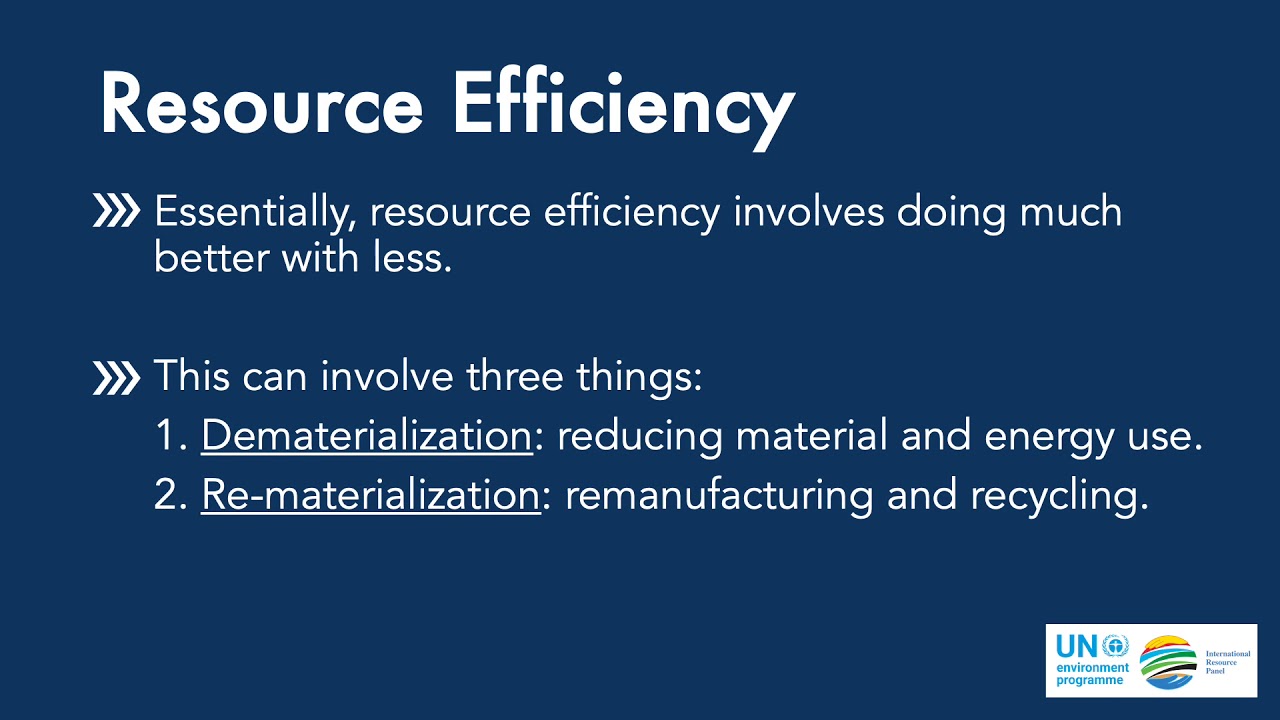
- Circular Economy Integration: Future-proof corporations adopt circular economy principles, minimizing waste by designing products for reuse, repair, and recycling. This approach reduces resource consumption and lowers environmental impact while creating new revenue streams through innovative business models like product-as-a-service.
- Renewable Energy Adoption: Transitioning to renewable energy sources such as solar, wind, and hydro power is a hallmark of sustainability leadership. These corporations invest in on-site renewable energy generation or procure clean energy to power their operations, significantly cutting carbon emissions and energy costs over time.
- Transparent Supply Chains: Sustainability begins with accountability. Future-proof corporations prioritize transparency across their supply chains, ensuring ethical sourcing, fair labor practices, and compliance with environmental standards. Technologies like blockchain are increasingly used to trace materials and verify sustainable practices.
- Innovation in Sustainable Products: These companies invest in research and development to create products that are not only high-quality and profitable but also environmentally friendly. Examples include biodegradable packaging, low-energy appliances, and plant-based alternatives, all designed to reduce ecological footprints without compromising performance.
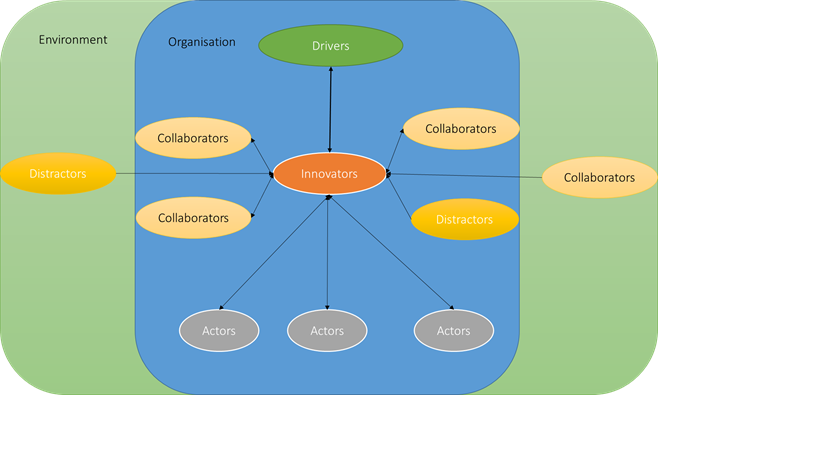
- Stakeholder Engagement & Collaboration: Future-proof corporations recognize that sustainability cannot be achieved in isolation. They actively engage with employees, customers, suppliers, governments, and civil society to co-create solutions, share knowledge, and build coalitions that amplify impact. Partnerships with NGOs, academia, and other businesses are common strategies.
- Regulatory & Policy Alignment: Staying ahead of regulatory trends is a strategic advantage. These corporations proactively adopt and exceed environmental, social, and governance (ESG) standards, positioning themselves as leaders rather than followers. They advocate for policies that support sustainable development, often influencing industry norms and regulations.
- Employee Well-being & Inclusion: A sustainable corporation invests in its people. This includes fostering a diverse and inclusive workplace, offering fair wages, providing professional development, and promoting work-life balance. Healthy, motivated employees are more productive and contribute to long-term corporate success.
Frequently Asked Questions / Pros & Cons
What exactly is a future-proof corporation, and why is it important?
A future-proof corporation is a business that integrates sustainability into its core operations, ensuring it remains resilient and competitive in a changing world. It is important because climate change, resource scarcity, and social inequity threaten traditional business models. Companies that ignore these trends risk regulatory penalties, reputational damage, and loss of market relevance. In contrast, future-proof corporations are better positioned to attract investment, retain talent, and meet evolving customer expectations.
What are the main benefits of adopting a sustainability-driven model?
The benefits are multi-fold. First, sustainability drives cost savings through energy efficiency and waste reduction. Second, it enhances brand reputation and customer loyalty, especially among younger consumers who prioritize ethical practices. Third, it fosters innovation by pushing companies to develop new technologies and solutions. Fourth, it improves access to capital, as ESG-focused investors increasingly favor sustainable businesses. Lastly, it builds resilience against disruptions such as climate-related disasters or supply chain breakdowns.
What challenges do corporations face when transitioning to sustainability?
The transition is not without obstacles. High upfront costs for renewable infrastructure or green technologies can be a barrier, particularly for small and medium-sized enterprises. Resistance to change within organizations, lack of internal expertise, and misaligned incentive structures can also slow progress. Additionally, measuring and reporting sustainability performance remains complex, with inconsistencies in ESG metrics and standards. Overcoming these challenges requires strong leadership, clear communication, and long-term commitment from all levels of the organization.
Is sustainability really profitable, or is it just a cost center?
Contrary to the misconception that sustainability is a drain on profits, evidence shows it can be a significant driver of financial performance. Studies by McKinsey, Accenture, and other leading consultancies indicate that companies with strong ESG scores tend to outperform their peers in terms of profitability and market valuation. Sustainable practices such as energy efficiency reduce operational costs, while sustainable products open new markets and revenue streams. Moreover, sustainability attracts investment from funds focused on long-term value creation rather than short-term gains.
How can small businesses implement sustainability without large resources?
Small businesses can start with low-cost, high-impact actions. Switching to energy-efficient lighting, reducing paper usage, and implementing recycling programs are simple first steps. Engaging employees in sustainability initiatives can also foster a culture of conservation without significant investment. Partnering with local organizations or joining industry networks focused on sustainability can provide access to shared resources and expertise. Even small changes can lead to measurable improvements in environmental impact and cost savings, while building a foundation for future growth.
Practical Guidance & Solutions
For corporations ready to embark on the journey toward becoming future-proof, a phased and strategic approach is essential. Begin by conducting a comprehensive sustainability audit to assess current environmental and social impacts across operations, supply chains, and product lifecycles. This baseline will identify areas of high impact and opportunities for improvement. Next, set clear, measurable goals aligned with international frameworks such as the United Nations Sustainable Development Goals (SDGs) or Science Based Targets initiative (SBTi). These goals should be ambitious yet achievable, with timelines and key performance indicators to track progress.
Leadership commitment is critical. CEOs and senior executives must visibly champion sustainability, integrating it into the company’s mission, values, and incentive structures. This includes tying executive compensation to ESG performance and ensuring that sustainability is a recurring agenda item in board meetings. Employee training and engagement programs can empower teams to contribute ideas and take ownership of sustainability initiatives.
Investing in technology is another key step. Tools such as IoT sensors for energy monitoring, AI for supply chain optimization, and blockchain for traceability can enhance efficiency and transparency. Companies should also explore partnerships with startups, universities, or research institutions to co-develop innovative solutions that can scale. Engaging with customers through transparent communication about sustainability efforts can build trust and loyalty, while customer feedback can guide product and service improvements.
Finally, collaborate with industry peers, policymakers, and civil society to shape collective action. Joining initiatives like the World Business Council for Sustainable Development (WBCSD) or the Carbon Disclosure Project (CDP) can amplify impact and provide access to best practices. By taking these practical steps, corporations can transition from reactive compliance to proactive leadership, ensuring their business remains viable and valuable for generations to come.
Conclusion
The future-proof corporation is not a distant ideal but an urgent necessity. As global challenges intensify, businesses that embed sustainability into their DNA will not only survive but thrive. They will lead markets, inspire innovation, and redefine what it means to succeed in business. The path forward requires courage, creativity, and collaboration, but the rewards are clear: a healthier planet, stronger communities, and enduring profitability. In a world where change is the only constant, the corporations that prioritize people and the planet alongside profit will be the ones that define the future. The time to act is now, and the opportunity belongs to those bold enough to seize it.