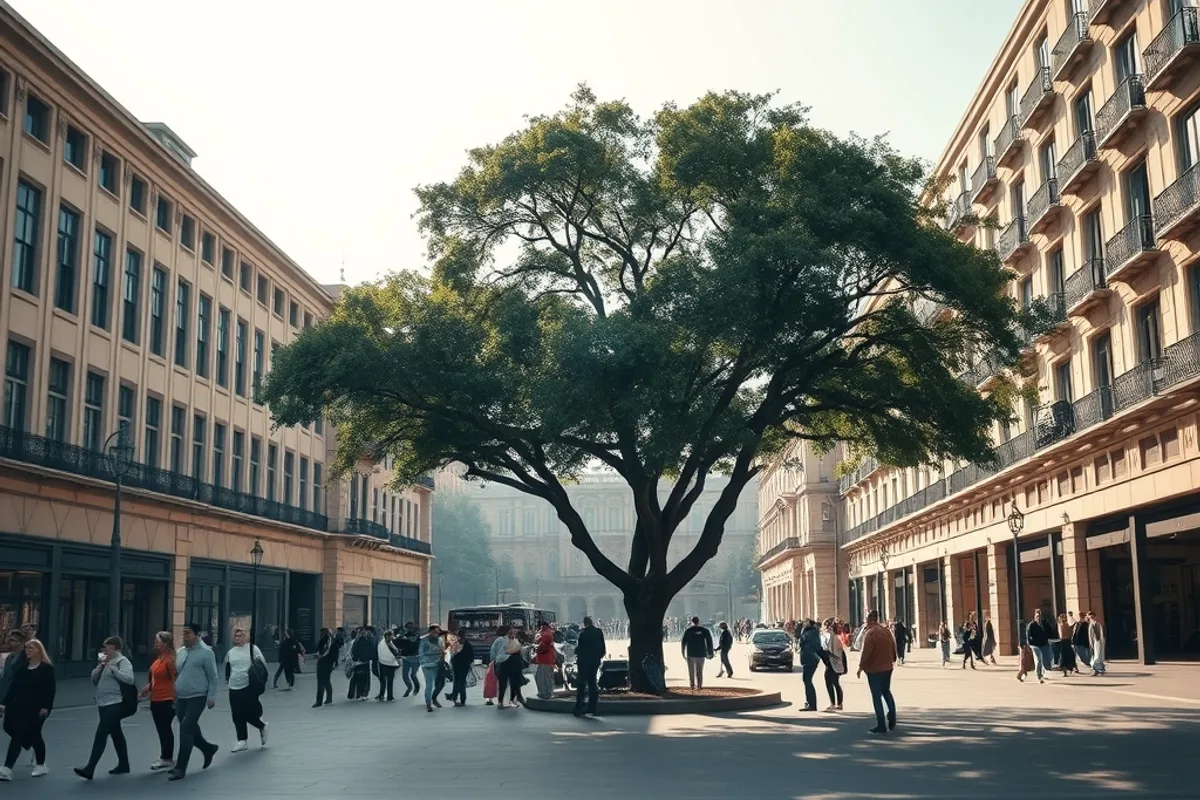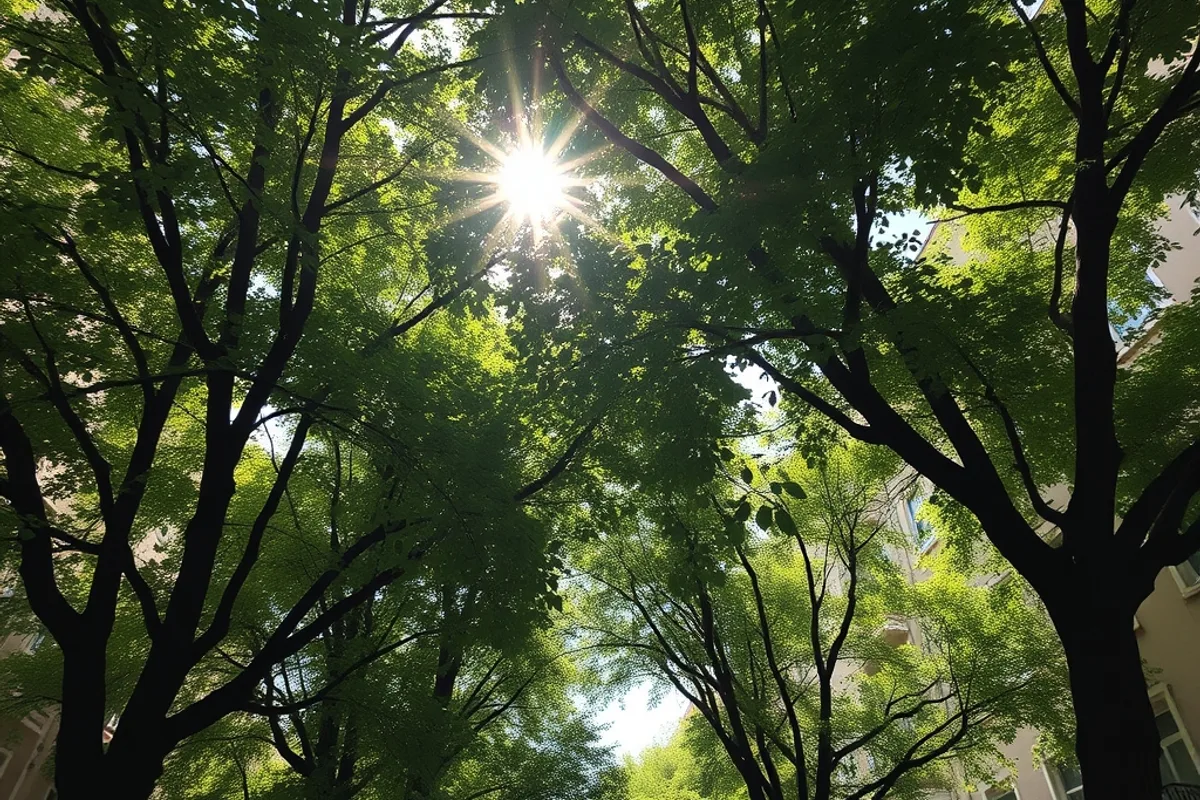
A city tree is easy to mistake for scenery. It softens a facade, frames a street and gives a neighbourhood its character. But the tree is also doing engineering work: intercepting rain, shading asphalt, filtering particles and cooling the air through transpiration. When a city loses canopy, it does not just lose beauty. It loses a piece of infrastructure that is difficult and expensive to replace.
The problem is that trees are usually funded and managed as decoration. They are planted for a ribbon-cutting, watered for a season and forgotten. A street tree needs decades to deliver its full benefits, which makes it a poor fit for short political cycles and an excellent test of whether a city can plan beyond the next election.
Shade is a health service
Surface temperature is not the same as air temperature. On a hot day, unshaded asphalt can be tens of degrees hotter than the air above it, and that heat is released slowly into the evening. A mature canopy interrupts both the direct sun and the re-radiation from hard surfaces, making the street feel cooler and reducing the heat load on people who have to walk it.
The benefit is unevenly distributed. Neighbourhoods with less canopy are often the same ones with older residents, lower incomes and less access to air conditioning. Planting programmes that ignore this pattern can widen an existing health gap while claiming an environmental win.
The rain argument
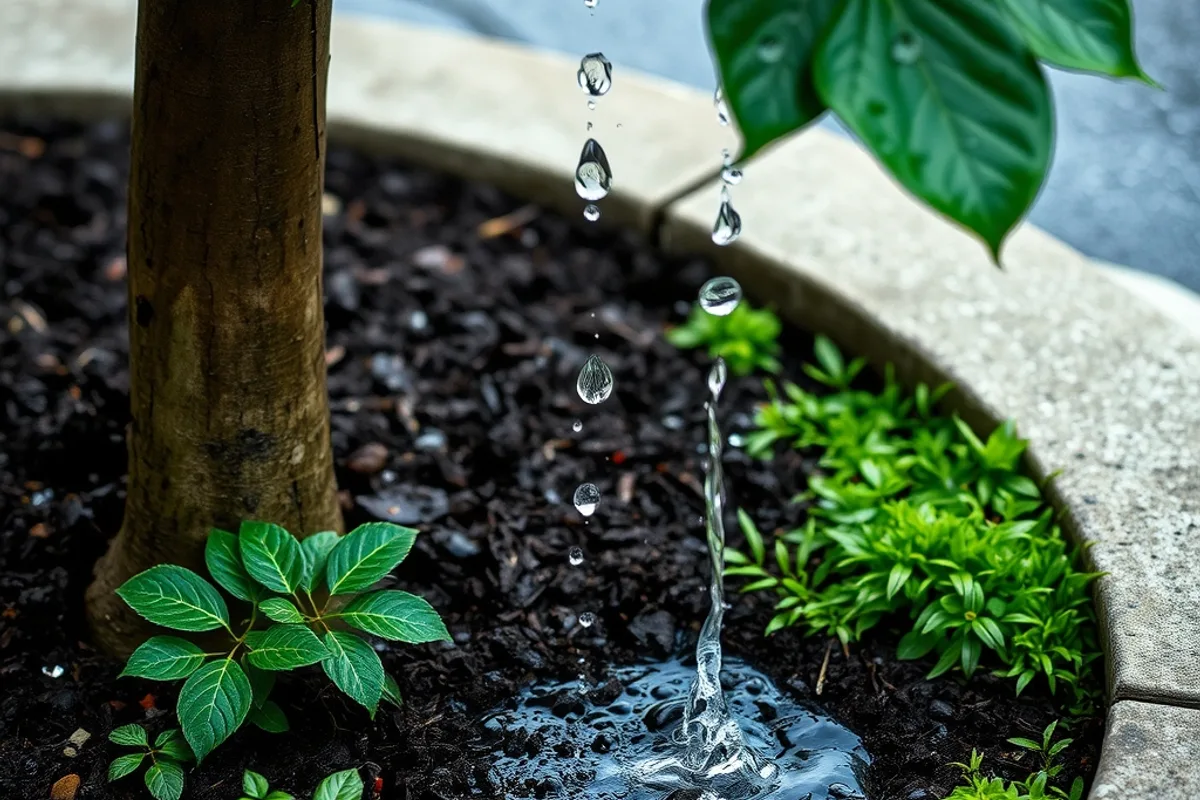
Urban trees intercept rainfall on leaves and branches, and their roots improve the soil's capacity to absorb water. This reduces the volume that hits drains during a storm. The effect depends on the species, the soil and the size of the canopy, but the principle is sound: a city that removes trees and paves over soil pays for that decision in flood management.
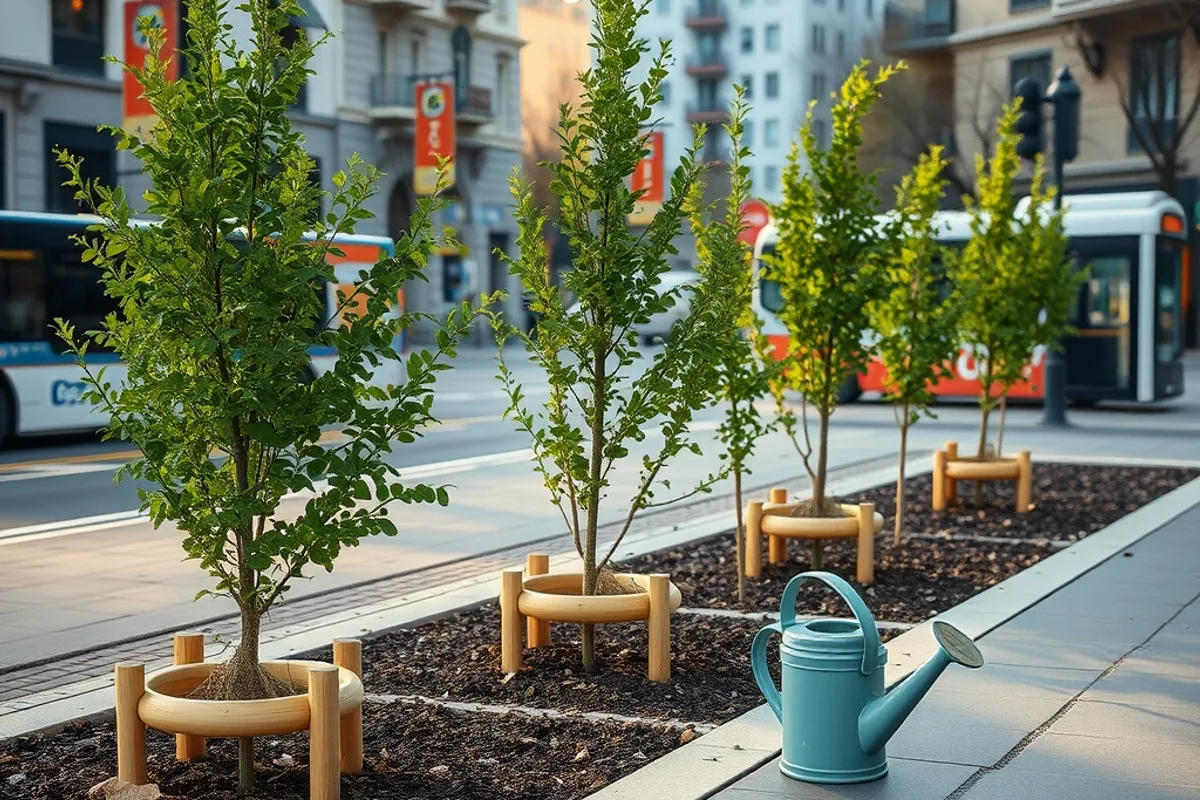
This is why tree pits matter. A tree in a tiny square of compacted soil will never reach the size that makes the benefits real. Structural soil, connected planting beds and root barriers cost more upfront and save money over the life of the tree.
Right tree, right place, right size
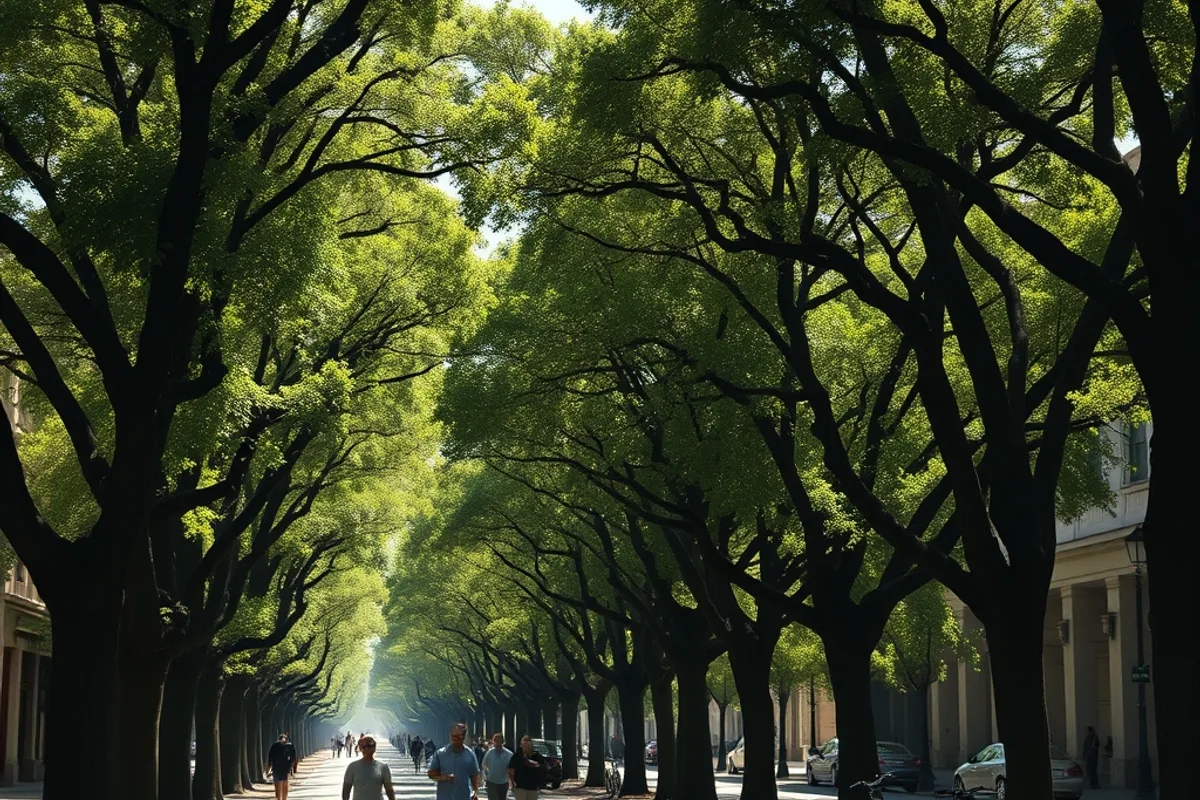
A species that thrives in a park may fail on a street. Street trees face compacted soil, salt, drought, pollution, vandalism and root space measured in centimetres. Choosing a tree because it looks good in a nursery photograph is how cities end up with a uniform row that dies together when the first pest arrives.
Diversity matters for resilience. A mix of species with different tolerances spreads the risk of disease and extreme weather. It also supports more insects and birds, which in turn support the wider urban ecosystem. Monocultures are efficient to plant and fragile to keep.
Maintenance is the unglamorous part
Young trees need water for the first two or three summers, protection from mowers and a pruning regime that builds a strong structure. Mature trees need inspection for dead wood and risk. None of this makes a good press release, and all of it determines whether the planting programme succeeds.
A common mistake is to count trees planted rather than trees established. A survival audit three and five years later is a better measure. It is also less flattering, which is why it is often skipped.
Planting a tree is a promise to maintain it for thirty years. The ceremony is the easy part.
What residents can do
Residents can ask for the canopy budget, the survival rate and the planting plan by neighbourhood. Those three numbers reveal whether a programme is serious. They can also push for tree pits that give roots room, and for watering schedules that survive the summer holidays.
On private land, a single well-sited tree can shade a wall, a car space or a west-facing window. The same principles apply: choose for the climate, give the roots space and plan for the size the tree will reach, not the size it is today.
The cost of losing canopy
When a mature tree is removed for development, the replacement is usually a sapling. The canopy gap can last a generation. The lost cooling, stormwater capacity and air quality are rarely counted in the planning balance, because they are hard to price and easy to ignore.
Some cities now use canopy cover targets and replacement ratios that account for trunk diameter. Others rely on voluntary promises. The difference shows up on the street a decade later, in whether the pavement is shaded or bare.
The bottom line
Urban trees are infrastructure with a long payback period. They cool streets, manage rain, support biodiversity and make walking tolerable in summer. Getting the benefit requires species diversity, adequate soil, long-term maintenance and an honest count of survival, not just planting. A city that budgets for the ceremony but not the watering is buying a photograph, not a canopy.
For a smaller-scale version of the same thinking, see our guide to rewilding a small garden. The principles of soil, diversity and patience scale down as well as up.