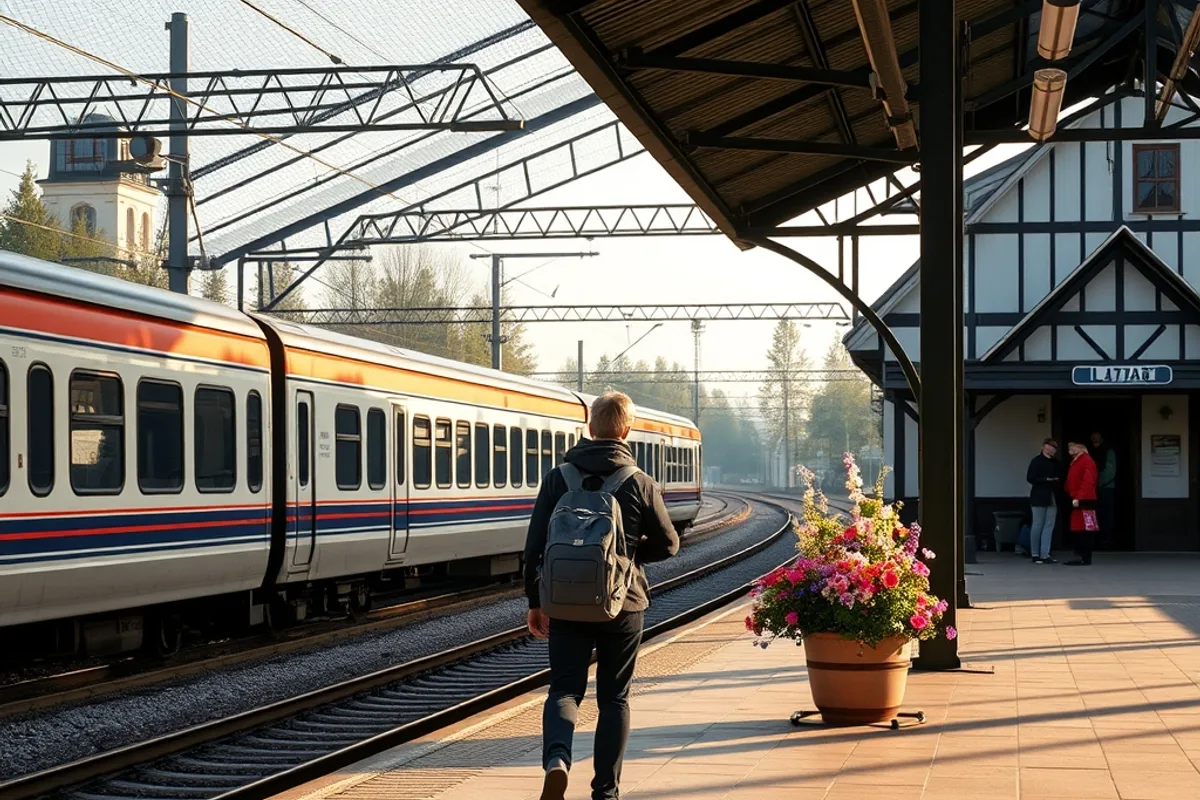
There is a particular kind of holiday that looks impressive in a photo album and feels exhausting in memory: four cities in nine days, a different hotel every other night, a suitcase that is never fully unpacked. It is not wrong. It is simply a choice to spend a large share of the trip in transit, and most people who make it do not realise the trade until they are home.
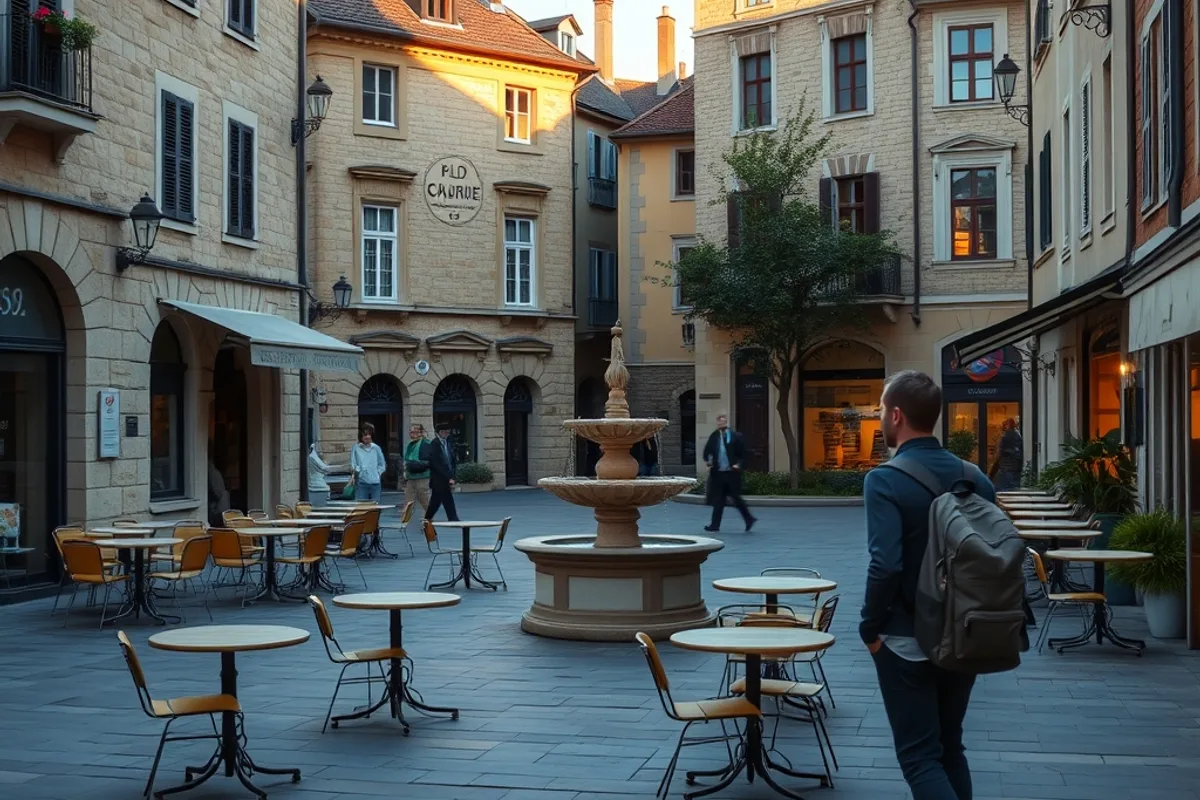
The alternative is not a fortnight on a beach. It is one base, used well. Stay somewhere long enough to learn the bakery, the bus route and the hour when the square empties. Take day trips from there. Come back to the same bed. The trip gets smaller on paper and larger in experience.
Count the hidden transit days
A move between cities is rarely the two hours on the train. It is packing, checking out, getting to the station, waiting, travelling, finding the new accommodation, checking in and reorienting. For a short trip, that can consume half a day or more. Do it four times and you have spent two full days in the mechanics of moving.
With one base, those days become something else: a morning in a market, a walk to a nearby village, a long lunch, a museum you would otherwise have skipped. The itinerary has fewer pins and more hours.
Choose a base with reach, not just charm
The best base is not always the prettiest town. It is the one with good connections, a walkable centre and enough everyday life to sustain a week. A railway junction with a modest old town can be a better base than a postcard village with one bus a day.
Look at three things: how easily you can reach the places you want to see, whether the neighbourhood has food and services outside the tourist season, and whether you would be happy spending a rainy afternoon there. The last one is underrated.

Use day trips as a rhythm
A base works best when the days alternate between local and outward. One day in the neighbourhood, one day on a train to a nearby town, one day for a long walk. The local days are what make the trip feel like living rather than touring.
Keep day trips within about ninety minutes each way where possible. Beyond that, the journey starts to dominate the day and you arrive tired. If a destination is further away, consider an overnight rather than a heroic return.
Rent the ordinary, not the exceptional
A apartment with a kitchen and a washing machine can make a week feel less like a hotel stay and more like a temporary life. It also reduces the cost of eating every meal out. The trade-off is less service and sometimes a less central location.
Read the details: stairs, noise, check-in arrangements, heating and whether the "central" location is central to the station or the sights. A cheap place far from everything is not cheap once you add taxis.
Let the trip have empty space
The instinct on arrival is to fill the calendar. Resist it. Leave one day unplanned. That is the day you follow a local recommendation, return to a place you liked or sit in a cafe and watch the town go about its business. Those are the days people remember.
Empty space also makes the trip resilient. If it rains, if a train is cancelled or if you wake up tired, there is somewhere to put the delay without cancelling something you cared about.
A base is not a lack of ambition. It is a decision about where to spend your attention.
When one base is the wrong choice
If the point of the trip is a long-distance route — a coast-to-coast rail journey, a pilgrimage, a road trip — then moving is the experience. A single base would miss the point. The same applies to a trip built around several unmissable events in different cities.
The test is simple: are you travelling to collect places or to spend time in them? Neither is superior, but they need different plans. A one-base trip fails when it is used to avoid making choices.
A week that works
Arrive on a slow afternoon. Spend the first full day walking the base without a goal. Take two day trips on alternate days. Keep one day completely free. Eat in the neighbourhood at least three times. Leave one thing unseen, so the place stays a place rather than a checklist.
That is not a modest trip. It is a trip with room for the things that cannot be scheduled: a conversation, a detour, a sudden downpour and the cafe you shelter in.

The bottom line
One base buys attention. It trades the thrill of a new key card every night for the familiarity of a street you can navigate without a map. For many trips, that is the better deal. Choose a place with reach, plan a loose rhythm and leave room for nothing in particular.
For a related argument about attention, see our guide to visiting fewer museums and remembering more. For the practical side of learning while you travel, our adult learning framework applies on the road too.