"Rewilding" sounds like a large estate and a herd of grazing animals. In a garden of forty square metres, it means something more modest: giving a little space back to processes that were designed out by tidy edges, bare soil and a lawn cut to five centimetres.
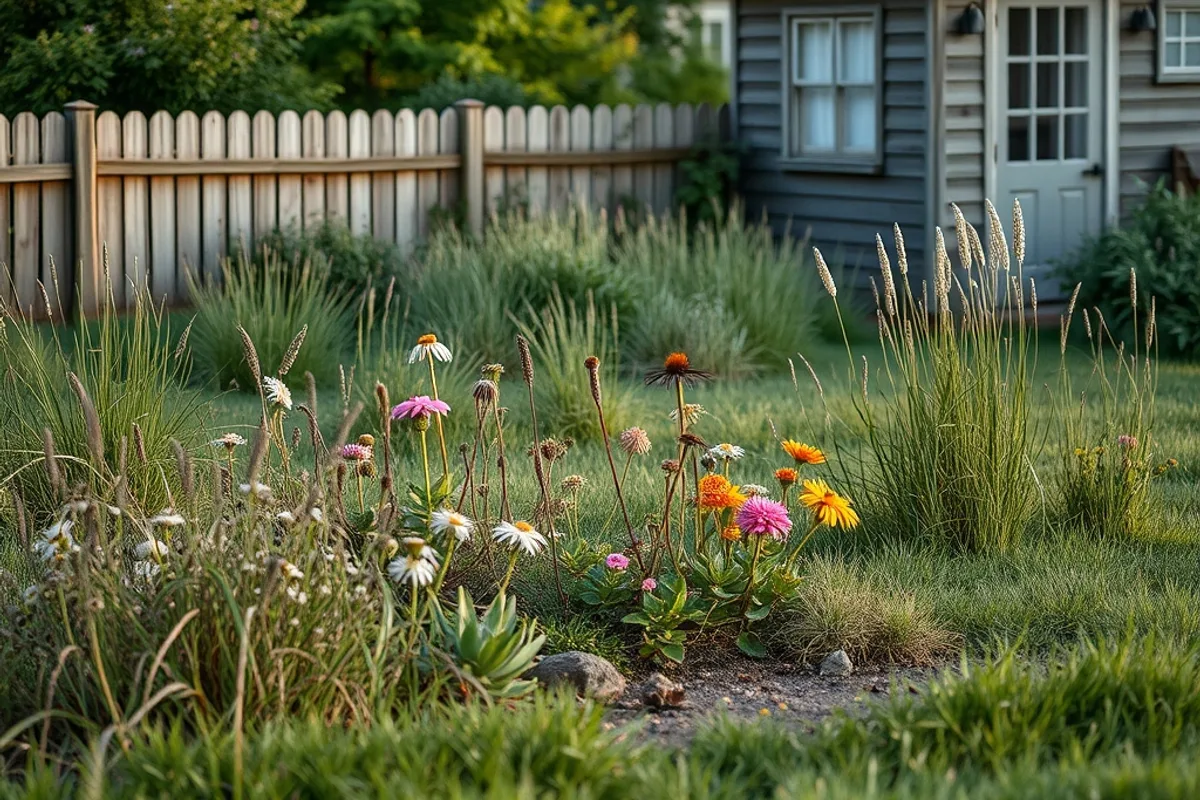
The aim is not neglect. A neglected garden can be poor habitat too, especially if it is dominated by a few vigorous weeds. The aim is a managed mess — a place with structure, water, food and somewhere to hide, kept in check without being scrubbed clean.
Start with the soil
Soil is the foundation, and most garden soil is exhausted by digging, fertiliser and bare surfaces. Stop digging where you can. Mulch with compost or leaf mould. Leave fallen leaves under hedges and shrubs. The worms, fungi and insects that build soil structure will do the heavy lifting if you let them.
Do not rush to enrich everything. Many wildflowers and native plants prefer poor soil, and adding compost can simply feed the grass and nettles. Match the treatment to the planting: rich soil for vegetables and borders, leaner ground for a small meadow strip.
Add water, even a little
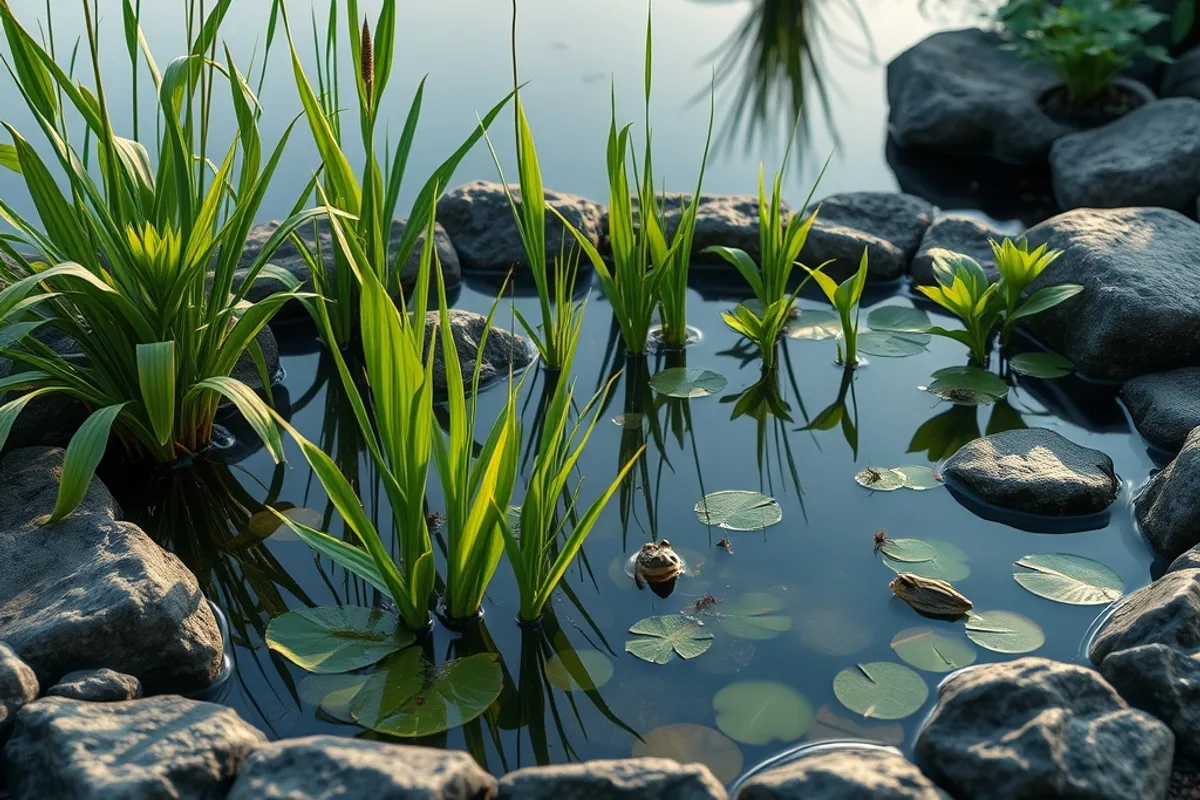
A pond is the single most effective habitat feature in most gardens. It does not need to be large. A sunken container with a gently sloping edge, a few native water plants and a stone for insects to land on will attract frogs, damselflies and birds. Avoid fish in a small wildlife pond; they eat the larvae you are trying to support.
If a pond is impossible, a shallow dish of water with stones for perches helps birds and insects. Keep it clean and refill it in dry spells. Mosquitoes are less of a problem in moving or regularly refreshed water, and a few tadpoles help.
Plant for the whole year
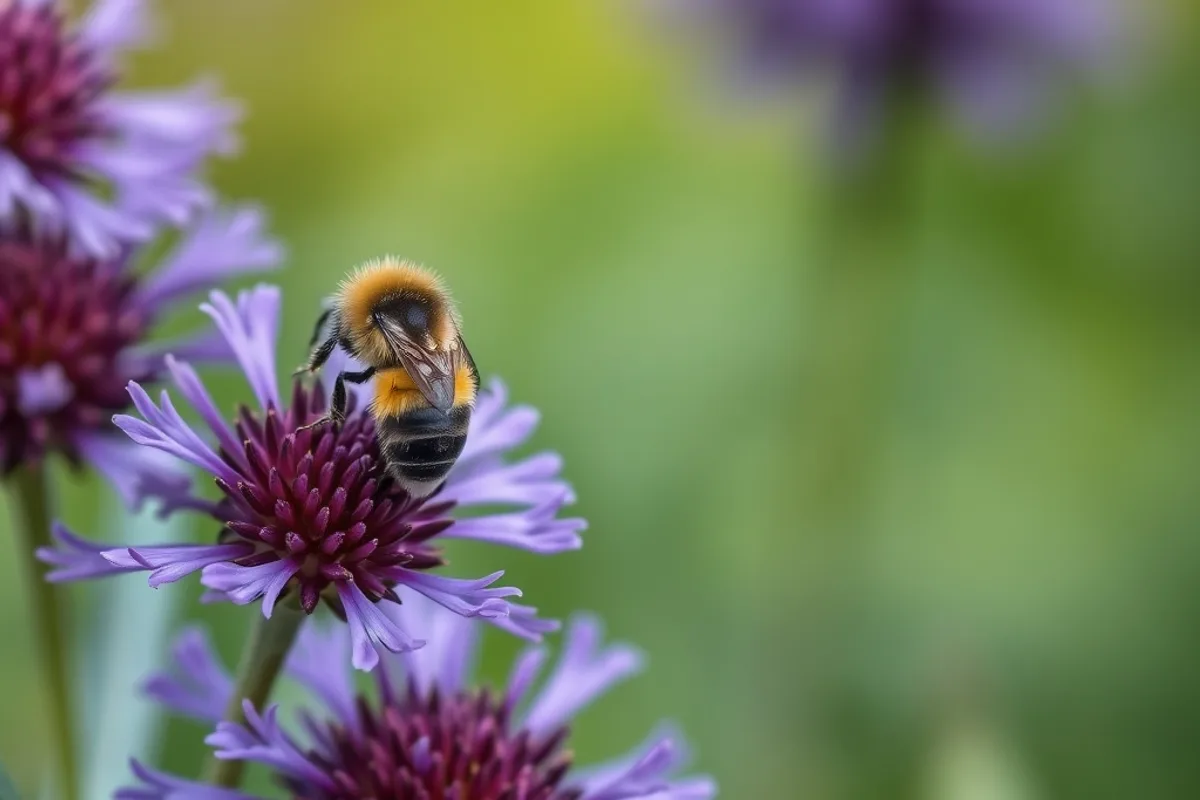
Wildlife needs food from early spring to late winter. That means a mix: early blossom for bees, long-flowering perennials for summer, seed heads for birds in autumn and berries or evergreen cover for winter. Native plants are valuable, but a garden can mix native species with well-behaved ornamentals that provide nectar.
Think in layers. A hedge or large shrub, a mid-layer of perennials, ground cover and a patch of longer grass create more niches than a flat border. Structure is what makes a small garden feel larger to a bird or a beetle.
Mow less, but mow deliberately
Leave part of the lawn uncut through spring and summer. Cut the rest as usual, and keep paths mown so the garden still looks intentional. A rough patch of long grass supports caterpillars, overwintering insects and seed-eating birds. It also looks after itself.
If you want flowers rather than grass, remove the cuttings after a late-summer cut to reduce fertility, and add yellow rattle in autumn. It parasitises grass and opens space for wildflowers. This is a slow project measured in seasons, not weekends.
Build a hedge, not a fence
A native hedge provides nesting sites, berries, shelter and a corridor for wildlife moving between gardens. It is slower than a panel fence and much better for the ecosystem. If a full hedge is too much, a mixed shrub border along one boundary does a similar job on a smaller scale.
Avoid trimming hedges in the nesting season. If you must cut, check for active nests first. A hedge cut in late winter keeps berries for birds through the coldest weeks.
A wildlife garden is not an unmade garden. It is a garden where some of the decisions are made by something other than the mower.
Leave a corner alone
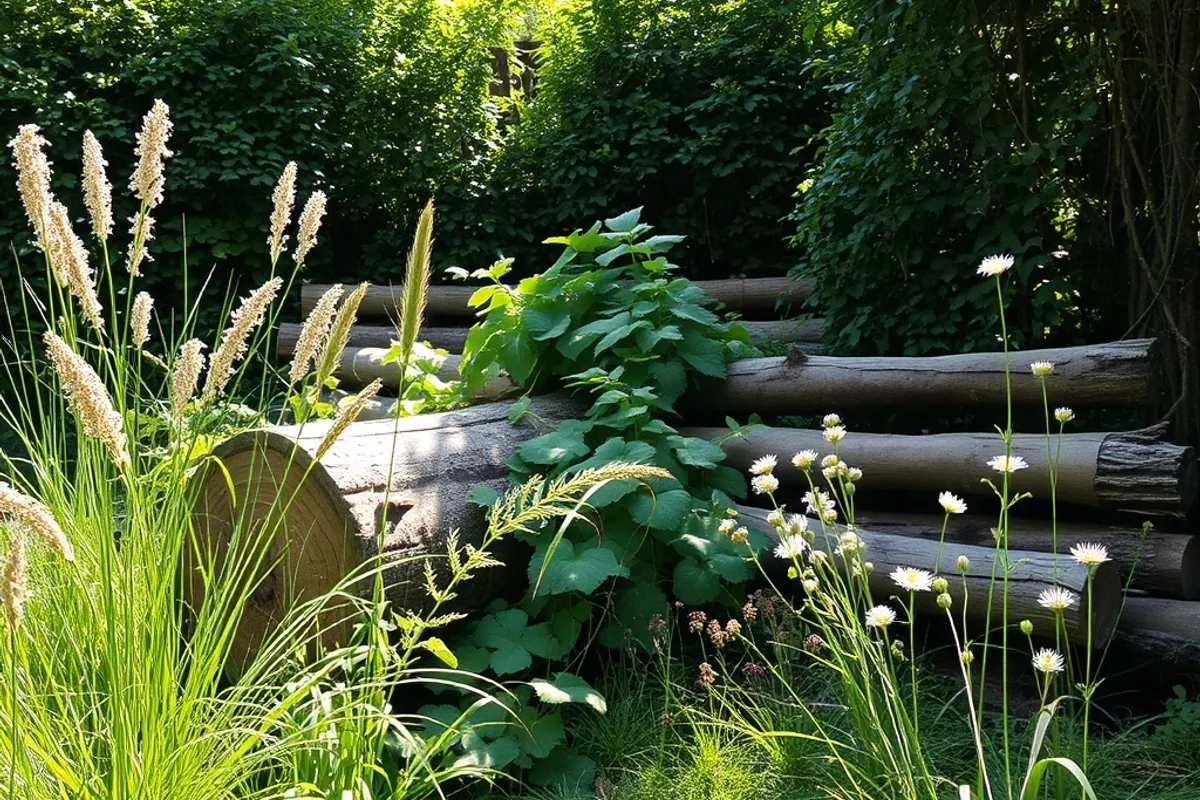
A pile of logs, a stack of stones and a patch of nettles in a corner will look untidy to a neighbour and useful to a frog. Dead wood is habitat, not waste. If you are worried about rats, keep food waste out of the pile and site it away from the house.
Do not tidy everything in autumn. Seed heads feed birds, hollow stems shelter insects and fallen leaves protect the soil. A spring clean is enough for most of the garden.
Measure what changes
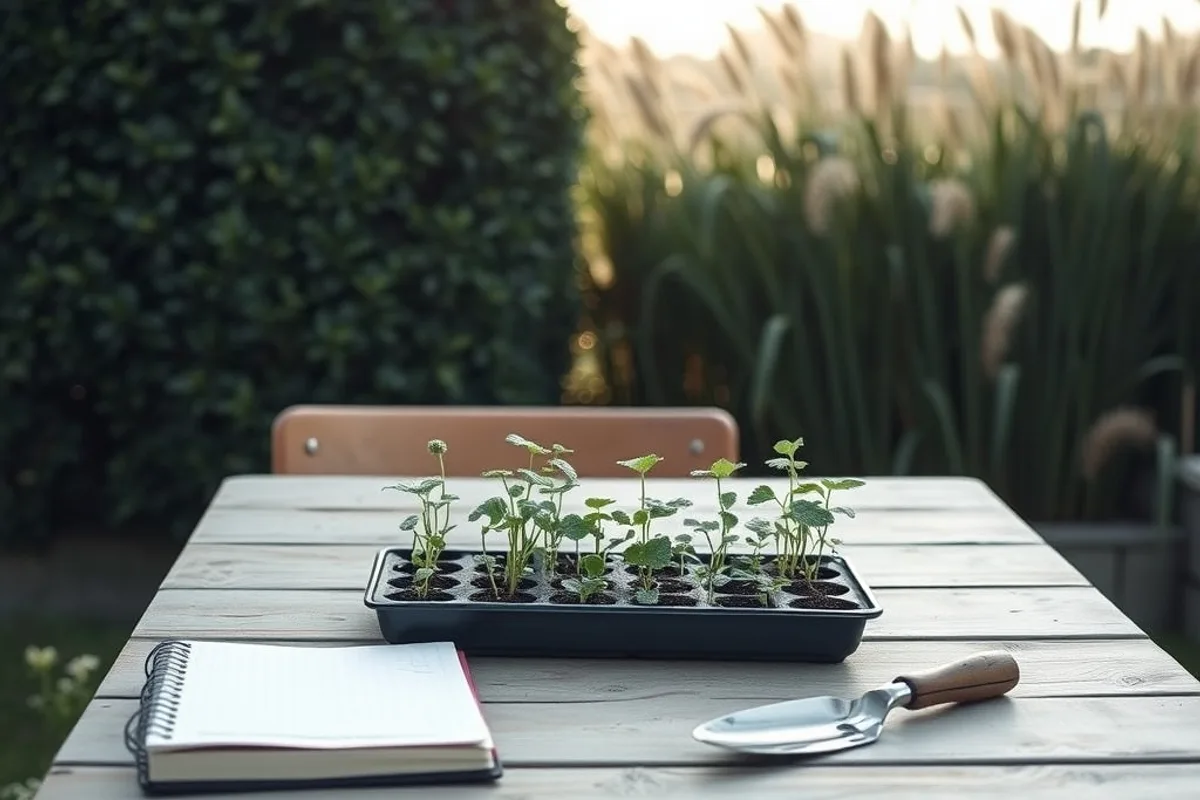
Keep a simple log: the first bee of the year, the birds at the feeder, the frogs in the pond, the flowers that appeared in the rough patch. Take a photo from the same spot each month. The changes are slow, and a record is what turns a vague hope into evidence.
Do not expect a rewilded garden to be maintenance-free. It needs watching, editing and occasional intervention. The difference is that the work is directed at structure and diversity rather than control.
The bottom line
Rewilding a small garden is a series of modest decisions: stop digging, add water, plant in layers, mow less and leave a corner alone. None of it requires a grant or a field. It does require patience, because the reward arrives over seasons and is measured in insects, birds and flowers rather than in a finished makeover.
For the larger version of this argument, read our piece on urban trees as infrastructure. The same principles — soil, diversity, time — apply at every scale.