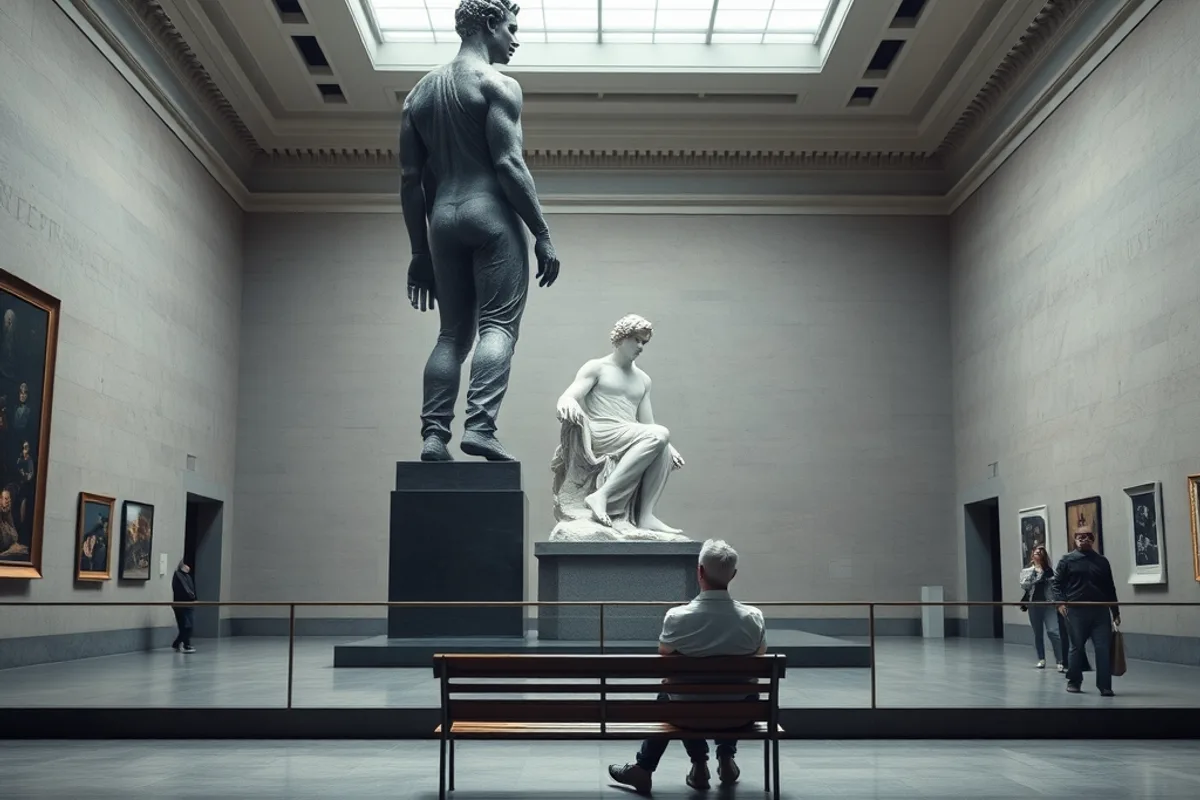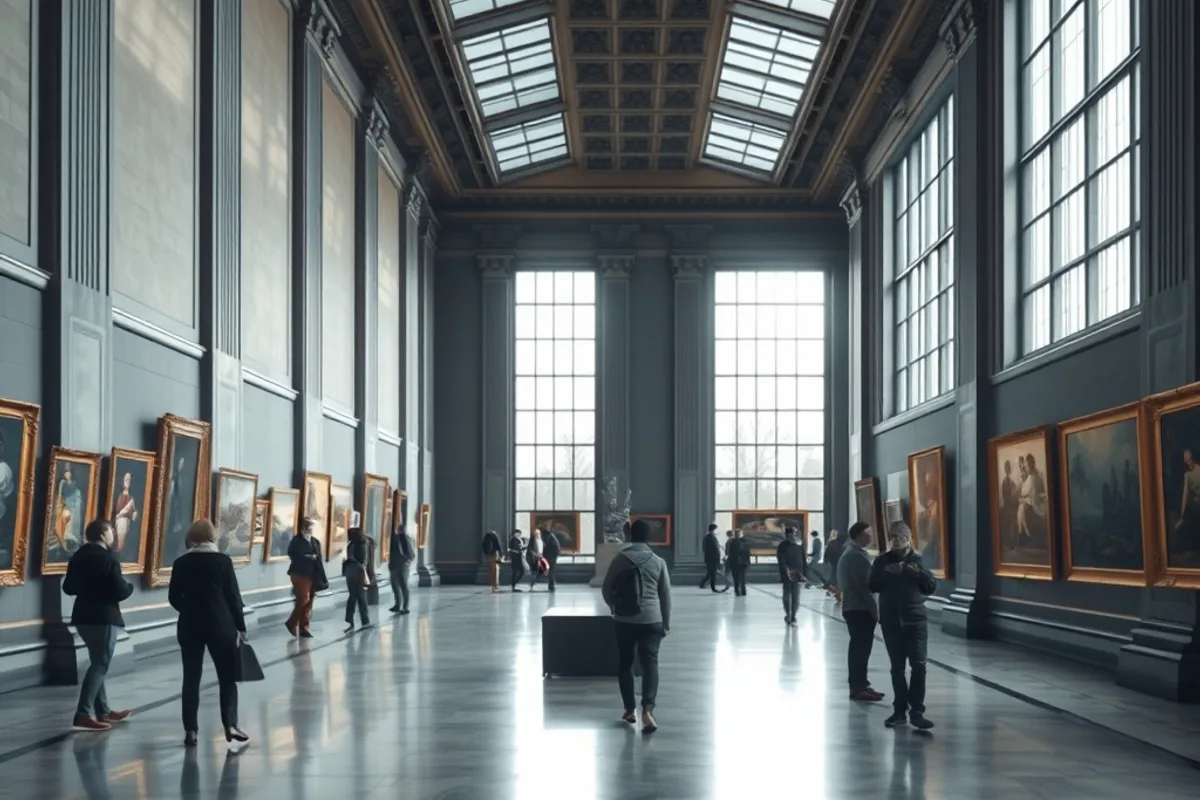
Museum fatigue is not a metaphor. Visitors slow down, stop reading labels, drift toward exits and remember less with every additional hour. The effect has been studied for a century, and the conclusion is stubbornly simple: the brain has a limited budget for close attention, and a large museum can exhaust it before lunch.
This is not an argument against museums. It is an argument against treating a visit as a completion exercise. The goal is not to see the collection. It is to have a few encounters that stay with you.
Why more rooms means less memory
Each object competes with the last. In a gallery of forty paintings, the twentieth is understood through the afterimage of the nineteenth. Labels add text, audio guides add another voice and crowds add a low background of vigilance. By the third hour, most people are scanning rather than looking.
The fatigue is both mental and physical. Standing, walking on hard floors and navigating unfamiliar space drains energy. That is why a short visit in a good frame of mind beats a long visit in a bad one.
Choose one wing, not the whole museum
Before you go, pick a theme: one period, one medium, one room or one question. A visitor who spends ninety minutes with the Dutch golden age will usually remember more than one who walks the entire building in four hours. The constraint is not a limitation. It is the thing that makes attention possible.
If the museum is famous for a single work, see it first, before the crowd and before your attention is spent. Then choose one adjacent room and stop. Leaving with energy is a better outcome than leaving with a completion badge.
Go early or go late
The first hour after opening and the last hour before closing are usually the quietest. Mid-morning is when school groups and tour buses arrive. If the museum has a late opening, that can be the best slot of the week.
Check the temporary exhibition schedule. A blockbuster show can make the permanent collection unbearable. Conversely, a small show in a side gallery may be the most interesting thing in the building and almost empty.
Look before you read
Stand in front of the object for a full minute without reading the label. Notice what you notice: colour, scale, a strange detail, the way the light falls. Then read the label and see whether it answers your questions or replaces them.
This simple order changes the visit. The label becomes a response to curiosity rather than a substitute for looking. It also slows you down enough that the object has a chance to become memorable.
Take one note, not forty photos
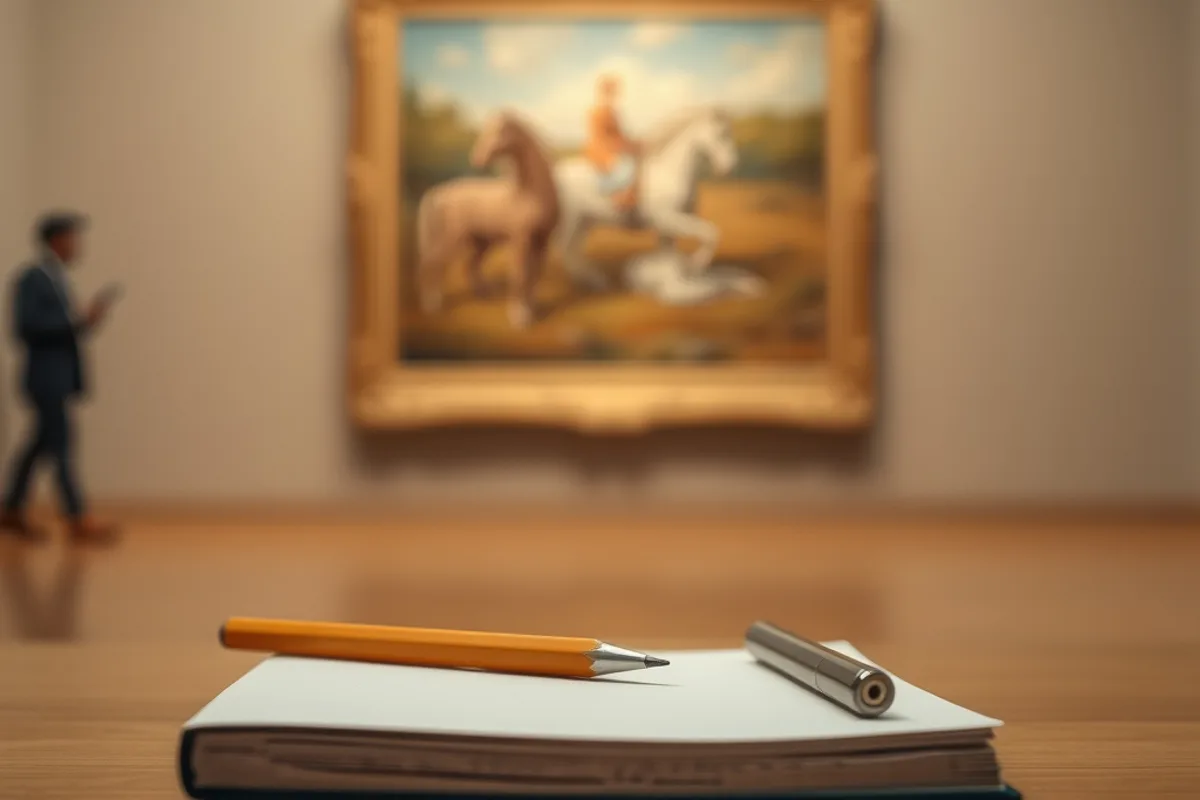
Photographing everything is a way of postponing attention. You capture the object and defer the looking. Choose one work and write three lines about it: what it is, what caught you, what you still do not understand. That note will do more for memory than a camera roll.
If photography is allowed and you want a record, take one photograph of the room rather than every object. The room holds the context; the individual object is already in the catalogue.
A museum is not a checklist. It is a conversation you can leave before you are too tired to continue it.
Plan the exit
Decide in advance when you will leave. A fixed end time protects the visit from the slow erosion of attention. When the time comes, go — even if there is one more room. The next visit can start there.
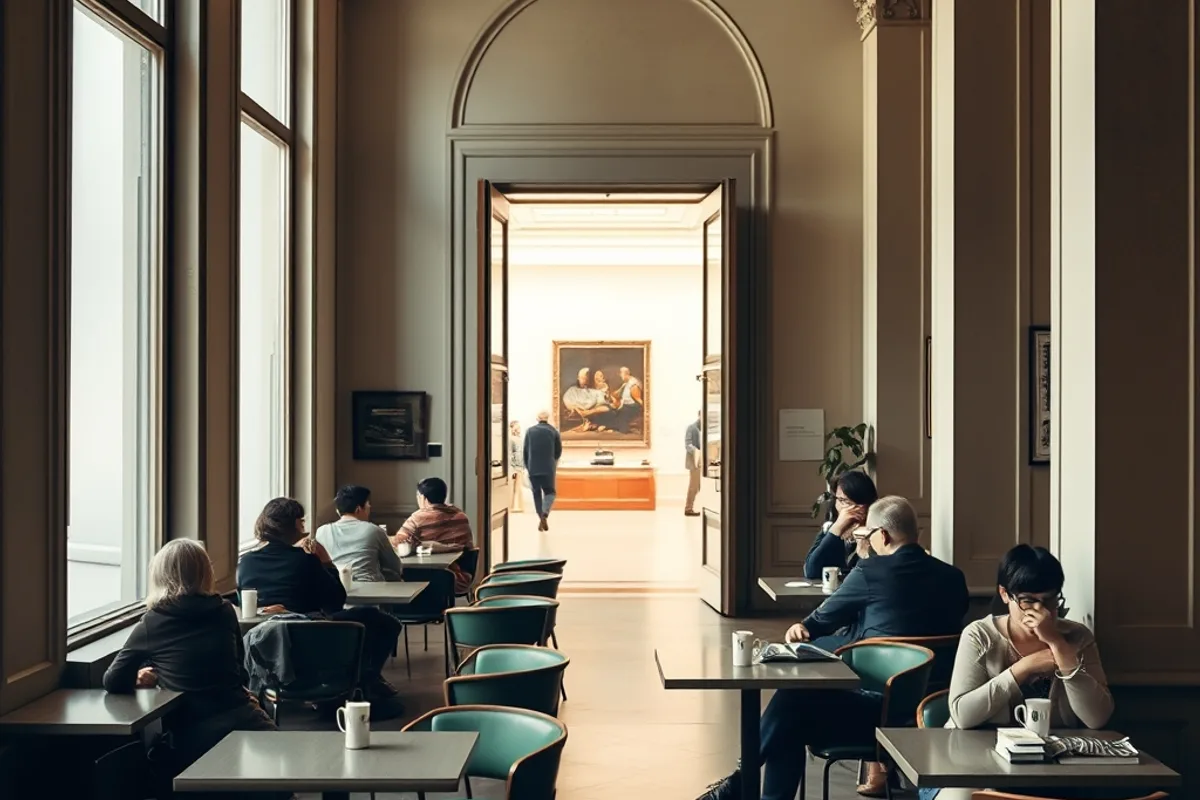
Sit down before you leave. A few minutes in a cafe or on a bench lets the visit settle. It also gives you a chance to write the note while the impression is fresh.
What to do with children
Short visits, a single theme and a defined hunt work better than a full tour. Give each child one object to find and one question to answer. Leave when they are still interested. A museum that is associated with exhaustion will not be revisited willingly.
Many museums offer family trails or handling sessions. Those are often more memorable than the permanent collection and give children a reason to look closely.
The bottom line
Visit less and look longer. Choose one wing, arrive early or late, look before reading and leave while you still have attention left. A museum is a place to think, not a building to complete. The best visit is the one you can still talk about a week later.
If you are planning a trip around a city, our guide to travelling with one base explains how to build a week that leaves room for exactly this kind of attention.