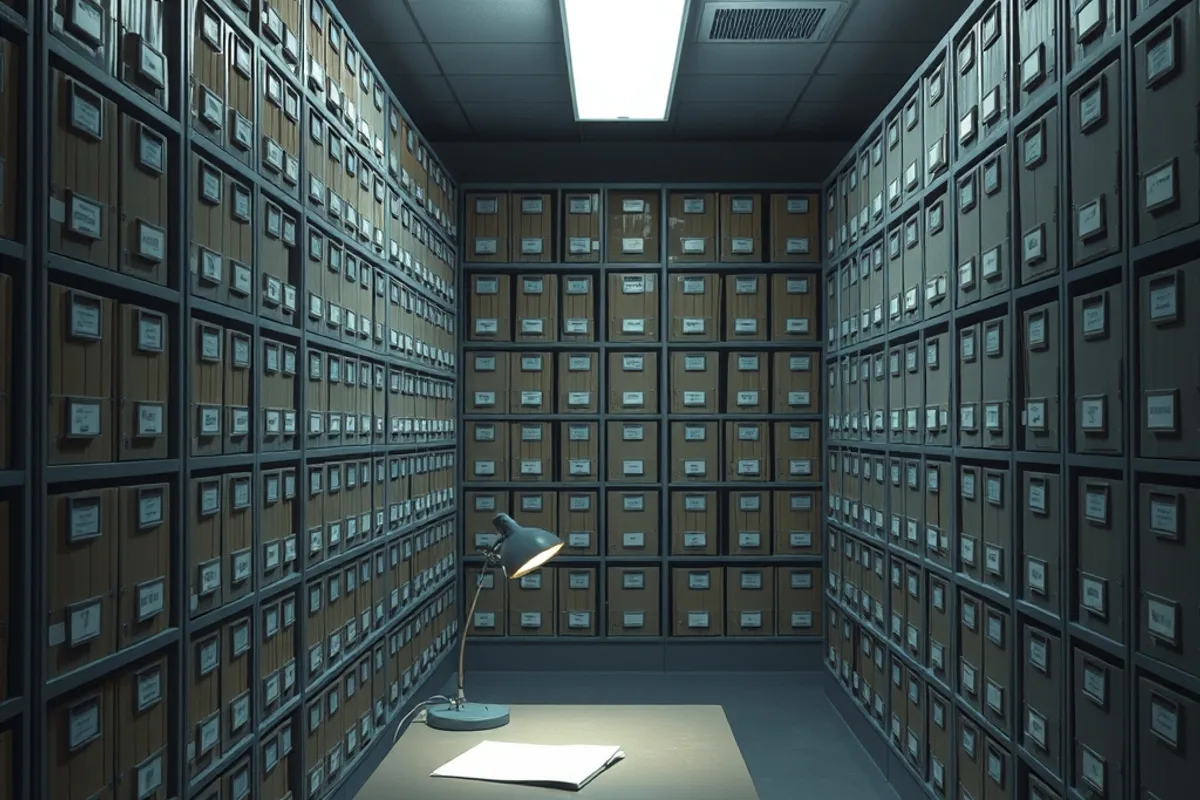
Cold cases occupy a strange place in public imagination. They are usually imagined as a single locked room, a forgotten clue and a detective who suddenly sees the pattern. Real reviews are less cinematic and more administrative: boxes, databases, interview transcripts and a slow argument about what is worth testing again.
A case goes cold when leads run out, not necessarily when evidence runs out. That distinction is the reason a review can work. New technology helps, but so does a new investigator asking a question that seemed settled a decade earlier.
What "cold" actually means
There is no single definition. Some agencies classify a case as cold after a set number of months without a viable lead. Others use a review schedule. The label is administrative: it signals that active resourcing has stopped, not that the file is closed or that the family has been forgotten.
Cases can also be dormant rather than cold. A suspect may be known but the evidence is not sufficient; a witness may be unwilling; a legal question may be unresolved. Those files need a different kind of attention from an unknown-suspect case.
The first step is a full read, not a test
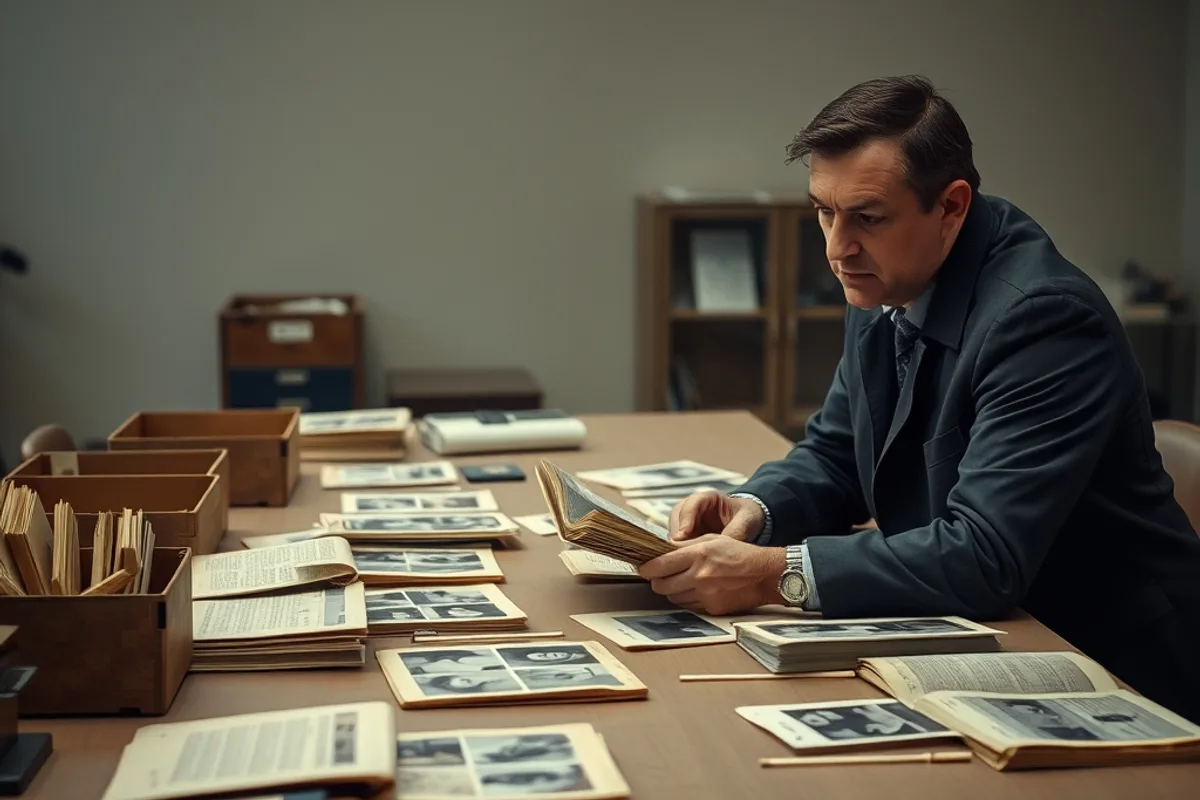
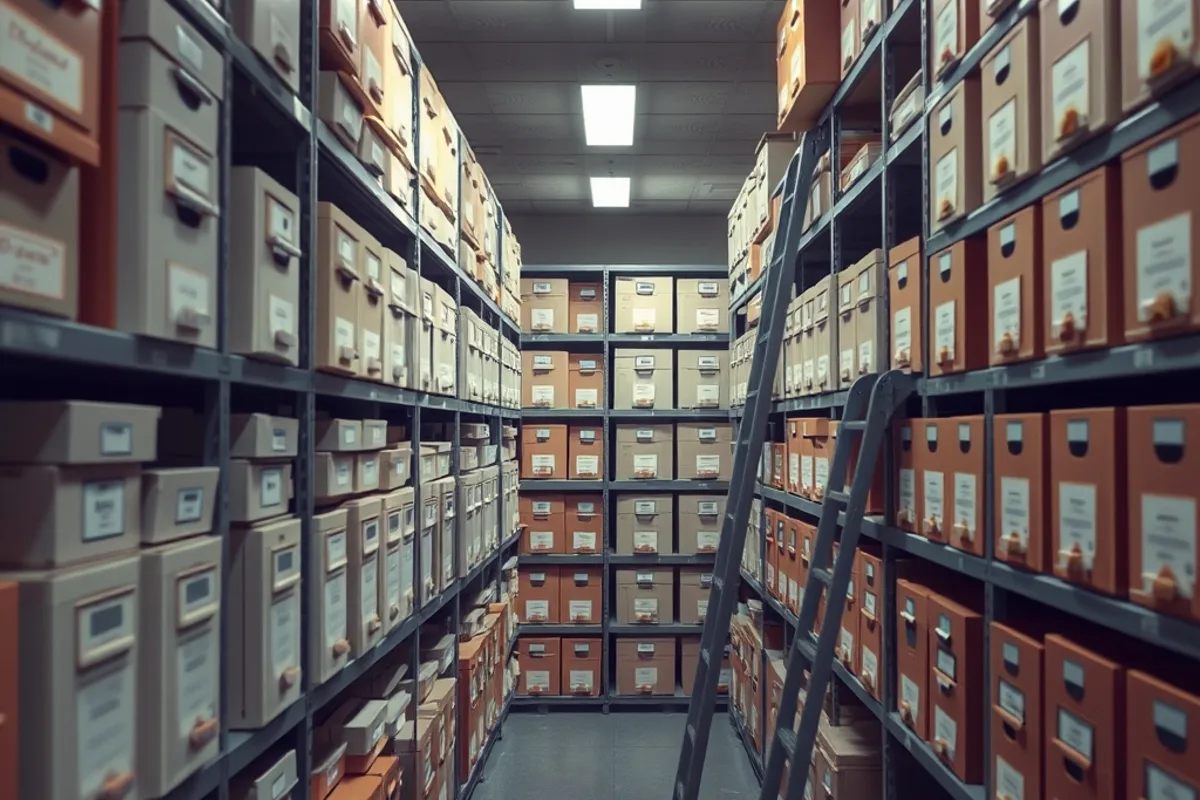
A proper review starts with the whole file: initial reports, scene photographs, witness statements, interview transcripts, laboratory requests, property records and the decisions made along the way. Reviewers look for assumptions that were never tested, statements that were never followed up and physical items that were never submitted.
This is tedious and essential. Jumping straight to DNA testing without understanding what was collected, how it was stored and what it can prove is how resources get wasted. The question is not "can we test this?" but "what would the result mean?"
Forensics has changed, and so has the law
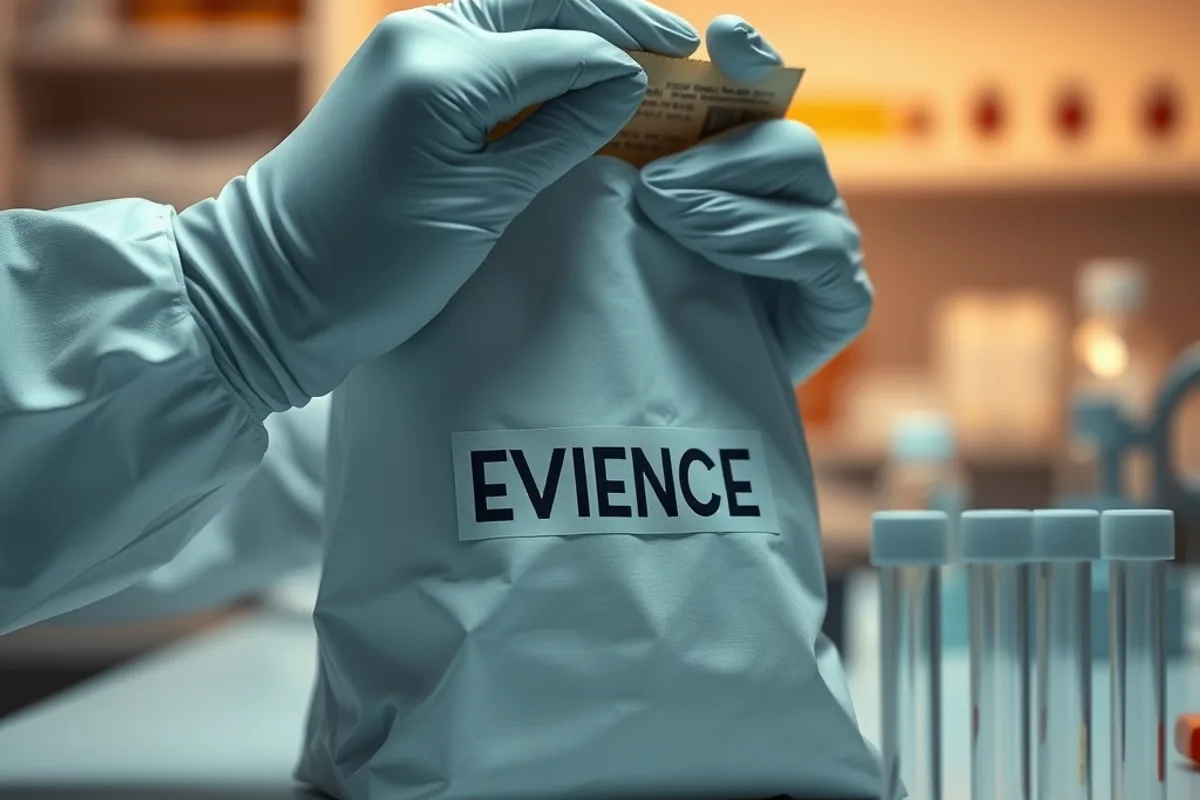
DNA methods are more sensitive than they were twenty years ago. Items once considered too small or too degraded may now yield a profile. Databases have grown. Genealogical techniques have opened new lines of inquiry, with significant ethical and privacy debates attached.
But forensic advances cut both ways. A profile can place someone at a scene without explaining when or why. Touch DNA is easy to transfer and hard to date. A match is a lead, not a conclusion, and the legal standards for using new techniques vary by jurisdiction.
Witnesses age, and memory is not a recording
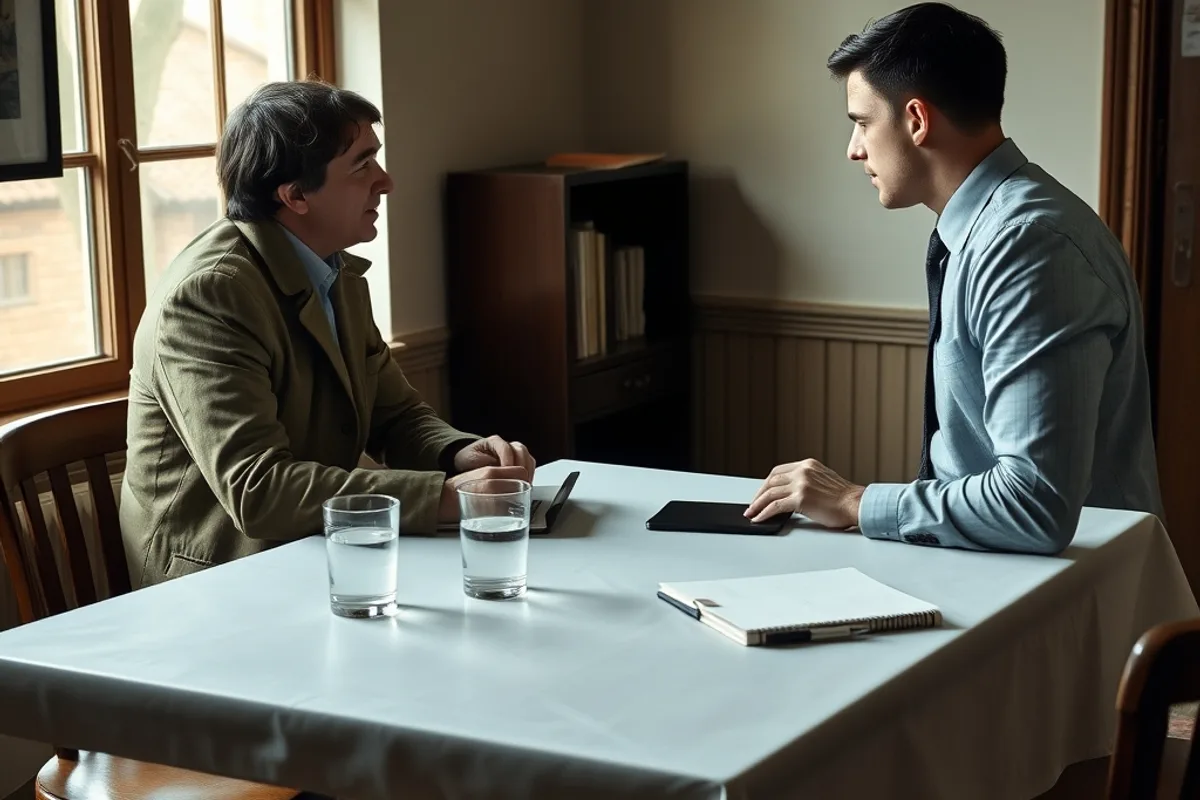
Re-interviewing witnesses years later can produce new detail, but it can also produce contamination. Memory is reconstructive. A witness who has read about the case, spoken to other witnesses or seen a documentary may sincerely believe a detail that was not there at the time.
Good practice documents how a new statement was obtained, what the witness was shown beforehand and whether the account is independent. A confident witness is not automatically an accurate one.
The family is not a source of evidence
Families often hold the case together for years, pressing for reviews and providing photographs and context. They are also grieving. A review that treats them only as a source of information, or that promises more than it can deliver, adds harm to an already long ordeal.
Clear communication about what a review can and cannot do is part of the work. Most reviews do not produce a prosecution. That is a hard message and a necessary one.
A cold case is not a puzzle waiting for a clever detective. It is a file waiting for someone with the time to read it properly.
What a reopened case needs
It needs a named owner, a budget and a realistic scope. It needs access to the original evidence and the people who handled it. It needs a plan for what will be tested, in what order, and what result would change the theory. Without those, a review becomes a tour of the file.
It also needs independence. An investigator reviewing their own earlier work has an obvious conflict. Fresh eyes are not a luxury; they are the point.
Why most reviews do not end in an arrest
Evidence degrades, witnesses die, legal time limits apply in some places and not others, and the standard of proof does not move because a case is old. A review may confirm a suspect the police already had but could never charge. It may rule someone out. It may simply document what remains unknown.
That outcome can still matter. It can correct a record, give a family an answer or prevent the same investigative gap from recurring. Justice is not only a verdict.
The bottom line
Cold cases are reopened by patient review, not by a single dramatic test. The work is to read the whole file, question old assumptions, use new science carefully and communicate honestly with the people who have waited longest. It is slow, unglamorous and occasionally decisive — which is also a fair description of most real investigation.
Following the money looks at the other kind of case that rarely turns on a single clue.